Camera Evidence Guides Repair Scope
Sewer Line Repair in Anton for properties with recurring backups, slow drainage, or confirmed structural failure
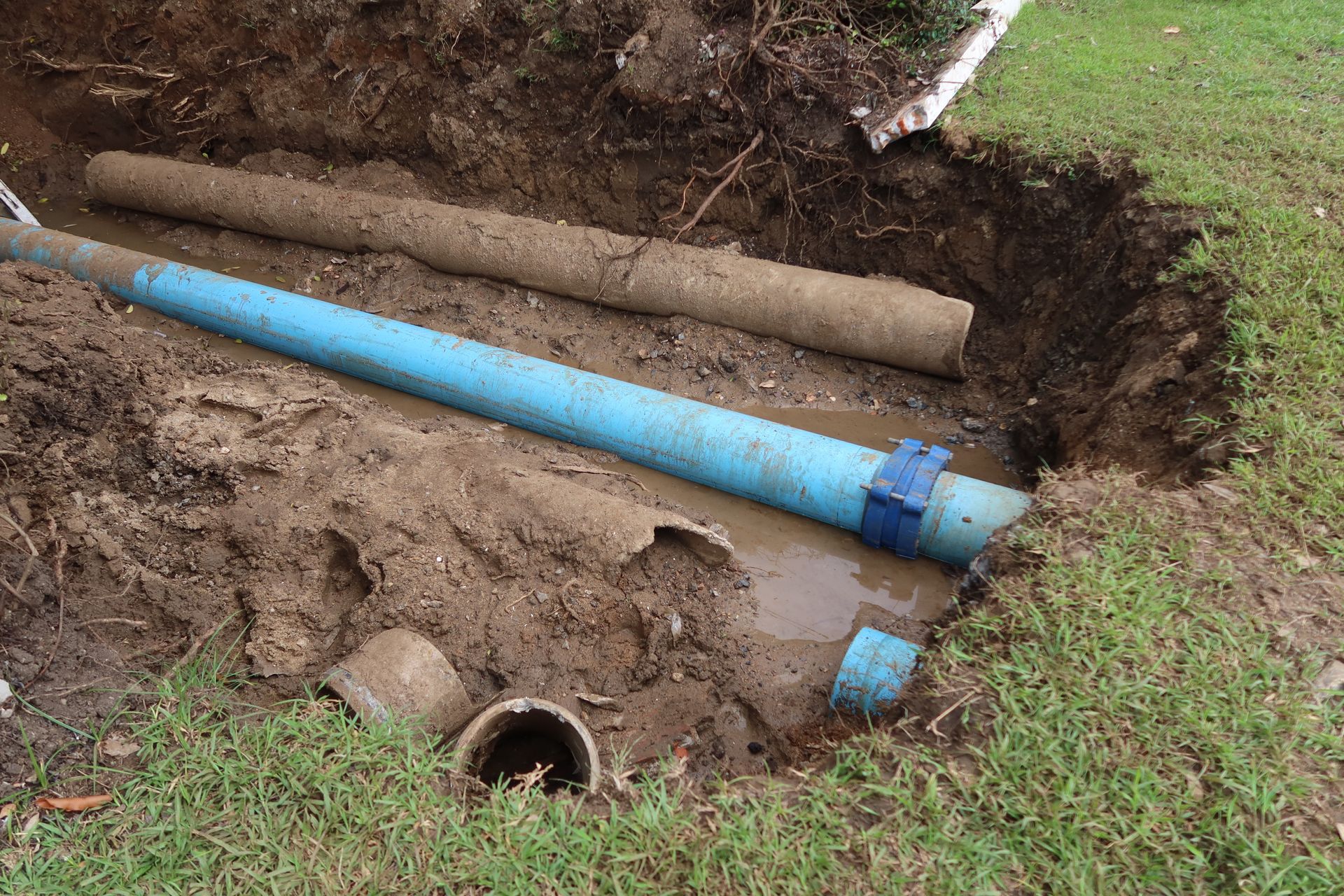
When drains back up repeatedly or sewage odors appear near foundation cleanouts, the cause often lies in sewer line breaks, root intrusion, or offset joints hidden underground. Doerfler Plumbing Inc inspects sewer lines with CCTV camera equipment before recommending spot repair or full replacement, allowing property owners to see the actual damage rather than guessing at repair scope based on symptoms alone. Anton-area homes built decades ago often feature clay or cast iron sewer lines prone to root penetration where trees exploit joint gaps, settling that offsets pipe sections, and material collapse from age-related deterioration.
Camera inspection travels the line from cleanout to municipal connection or septic tank, recording footage that shows root intrusion points, crack locations, joint separations, and interior pipe condition. Spot repair addresses isolated problems through root removal and sectional patching when the rest of the line remains structurally sound, while full replacement becomes necessary only when camera footage confirms widespread collapse, multiple failure points, or material breakdown affecting the majority of the line length.
Request a camera inspection to identify the specific location and extent of sewer line damage before committing to repair costs..
Why Camera Inspection Prevents Unnecessary Replacement
CCTV equipment locates the exact footage mark where breaks occur, measures offset severity at settled joints, and documents root mass size at intrusion points, providing evidence that distinguishes between fixable damage and lines requiring full replacement. Septic versus municipal system configurations vary across Anton properties, affecting whether repair involves coordination with city inspectors or private system permitting.
Once spot repair completes, backups stop occurring at the fixtures previously affected, drainage speed returns to normal flow rates, and sewage odors disappear from yard areas where cracks allowed leakage into surrounding soil. Full-line replacement eliminates the gradual failure pattern where one repaired section holds while adjacent areas deteriorate, but camera documentation ensures that expense becomes necessary only when structural evidence supports it.
Permit handling and coordination with municipal inspectors occur when repair scope requires excavation permits or system tie-in inspection, removing the administrative burden from property owners unfamiliar with local requirements for sewer work approval and final inspection scheduling..
Property owners typically ask about inspection methods, repair versus replacement decisions, and how local soil and infrastructure conditions affect sewer line longevity in West Texas.
What does CCTV camera inspection reveal that symptoms alone don't?
Camera footage shows exact failure locations with footage markers, root intrusion severity, offset joint measurements, and interior pipe condition along the entire line, providing evidence that separates isolated repairable damage from widespread structural breakdown requiring full replacement.
How do older clay and cast iron lines in Anton typically fail?
Clay pipes crack from soil settling and allow root intrusion at joints, while cast iron corrodes from interior sewage acidity and exterior soil moisture, with both materials eventually reaching a failure density where spot repairs only delay inevitable full-line replacement within a few years.
What's involved in spot repair when camera shows isolated damage?
Root removal clears intrusion points using cutting equipment fed through the line, sectional patching seals cracks or replaces short damaged segments, and joint realignment corrects offsets when surrounding pipe remains sound enough to justify targeted repair instead of full replacement.
How does septic versus municipal connection affect repair approach?
Septic systems require verification that repairs don't compromise drain field function or tank inlet integrity, while municipal connections involve city inspection coordination and tie-in approval, with permit requirements differing based on whether work affects public infrastructure.
When does full replacement become more cost-effective than repeated spot repairs?
Camera inspection showing multiple failure points, widespread material deterioration, or collapses affecting more than 30 percent of line length typically indicates that full replacement costs less over a five-year period than sequential spot repairs as adjacent sections fail progressively.
Common Questions About This Service
Doerfler Plumbing Inc completes camera inspection before quoting repair scope, ensuring recommendations match documented damage rather than worst-case assumptions. Call (806) 738-2201 to schedule sewer line camera inspection and receive repair options based on actual structural evidence.