Pressure Testing Confirms Safe Operation
Gas Line Installation & Repair in Anton for properties adding gas appliances or addressing detected leaks
Gas line work requires code compliance, pressure testing, and inspection coordination to meet safety standards and insurance documentation requirements. Doerfler Plumbing Inc installs and repairs gas lines for residential and light commercial properties across Anton and the Lubbock area, handling permit paperwork and municipal inspections so the installation passes final approval without client involvement in regulatory steps. Line material assessment identifies whether existing steel, copper, or corrugated stainless steel tubing (CSST) meets current capacity needs or requires replacement, with pressure testing documented before activation to verify no leaks exist at joints or along line sections.
Installation begins with assessing existing pressure and line material to determine whether current infrastructure supports additional appliances or whether capacity upgrades prevent pressure drops that affect burner performance. Repair work follows the same code requirements as new installation, with damaged sections replaced rather than patched to eliminate leak risk, and all work completed per West Texas residential and commercial gas codes before inspection scheduling.
Request a site evaluation to assess current gas line capacity and receive installation or repair recommendations based on your appliance requirements..
What Proper Gas Line Work Involves
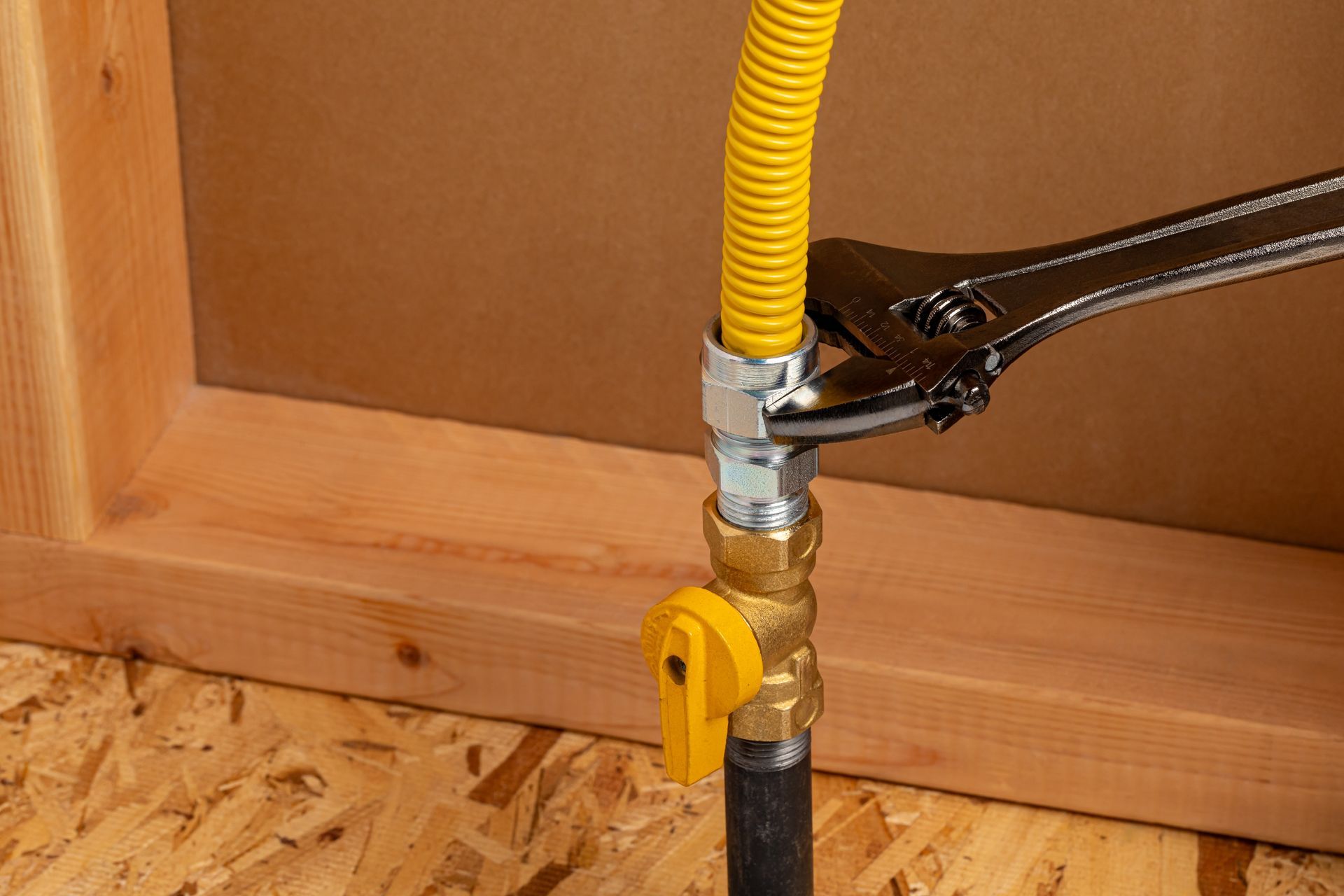
The process assesses line material—steel for older installations, copper for flexibility in certain applications, or CSST for modern residential work—then measures existing pressure to calculate whether current capacity handles additional appliance demand without pressure loss affecting burner efficiency. Installation or repair follows local code with proper joint sealing, support spacing, and clearance to electrical and combustible materials, followed by permit completion and inspection coordination before the line goes into service.
Pressure testing occurs after installation or repair, using gauges to confirm the line holds rated pressure without drops that indicate leaks at joints or along pipe sections. Documentation from pressure testing provides verification for insurance requirements and safety records, confirming the installation meets code and operates without detectable leaks that create fire or explosion hazards.
Permit handling removes liability from property owners unfamiliar with local gas code requirements, with inspection scheduling coordinated after work completes so municipal inspectors verify compliance and authorize activation, preventing the violations that occur when unlicensed work bypasses required approvals and leaves insurance coverage questionable.
Questions below cover installation processes, material selection, pressure testing, and permit requirements specific to gas line work in West Texas residential and commercial properties..
What happens during pressure testing after gas line installation or repair?
Gauges attach to the line and measure whether pressure holds at rated levels for a specified duration, with any pressure drop indicating leaks at joints or along pipe sections that require correction before the line passes inspection and gets authorized for appliance connection.
How does line material selection affect installation approach?
Steel pipe requires threaded joints and rigid routing, copper allows bending for obstacle clearance but requires brazing or flare fittings, and CSST offers flexible installation with fewer joints but demands proper grounding and arc-fault protection per code requirements introduced after field failures.
What permits and inspections are required for gas line work in Anton?
Local codes require permits before installation or major repair, with municipal inspectors verifying code compliance, pressure test results, and proper material usage before authorizing activation, and Doerfler Plumbing completes paperwork and coordinates inspection scheduling as part of service.
How is capacity calculated when adding gas appliances to existing lines?
BTU demand from all appliances—furnaces, water heaters, ranges, dryers—gets totaled, then compared to line diameter and pressure to verify sufficient flow without pressure drops that cause burner inefficiency or pilot outages during simultaneous usage.
Why does insurance documentation matter for gas line installation?
Pressure test records and inspection approvals provide proof that installation meets code and operates safely, which insurance carriers require to maintain coverage and avoid claim denial if incidents occur from non-compliant or uninspected work performed without proper permits.
Answers to Frequent Service Questions
Doerfler Plumbing Inc handles permits, pressure testing, and inspection coordination for gas line installation and repair, ensuring compliance and documentation without requiring client involvement in regulatory processes. Call (806) 738-2201 to schedule capacity evaluation and receive installation or repair planning based on your property's appliance requirements and existing infrastructure condition.