
Water Filtration Built for Hard Mineral Content
RO System Installation in Anton for water quality concerns affecting appliance lifespan and taste
West Texas water hardness and high mineral content create specific challenges for appliances, plumbing fixtures, and drinking water quality. Doerfler Plumbing Inc installs reverse osmosis systems in Anton after testing incoming water to confirm hardness, mineral composition, and chlorine levels. The system sizing depends directly on what the testing reveals about your supply, which varies considerably even within neighborhoods across the Lubbock metro area.
Reverse osmosis installation involves more than mounting a filtration unit under your sink or at the water line entry point. The system must match the mineral load and hardness of your specific supply, or the membrane fails prematurely and filtration efficiency drops within months instead of years. Proper installation includes drain line routing for rejected water, pressure tank setup to maintain flow, and filter stage configuration based on what contaminants appear in the water test results.
Schedule a water quality assessment to determine the correct RO system for your property's supply conditions..
What Changes After Filtration Installation Completes
Installation begins with water quality testing that measures hardness, total dissolved solids, mineral content, and chlorine levels from your current supply. These results determine how many filtration stages the system requires and what membrane pore size handles your specific contaminant profile without clogging. For under-sink units, the process includes cutting into the cold water line, mounting the filtration housing, routing a drain line for the rejected concentrate water, installing a dedicated faucet at the sink, and connecting a small pressure tank that maintains steady flow when you open the tap.
Once the system operates, you notice the difference in water taste immediately, particularly if your supply carries the mineral flavor common throughout Anton and the surrounding Lubbock metro service area. Appliances like coffee makers and ice machines no longer accumulate white scale deposits, and you stop replacing kettles or humidifiers due to mineral buildup. The filtration process removes the calcium, magnesium, and other dissolved solids that create hardness, which means soap lathers more easily and you use less detergent for dishes and laundry when the system serves the whole home rather than just one tap.
The installation includes documentation of your system specifications and a filter replacement schedule based on your household water usage and the contaminant load identified during testing. Membrane lifespan depends on how much sediment and mineral content the system processes daily, so proper sizing during installation prevents early replacement costs and maintains consistent filtration performance..
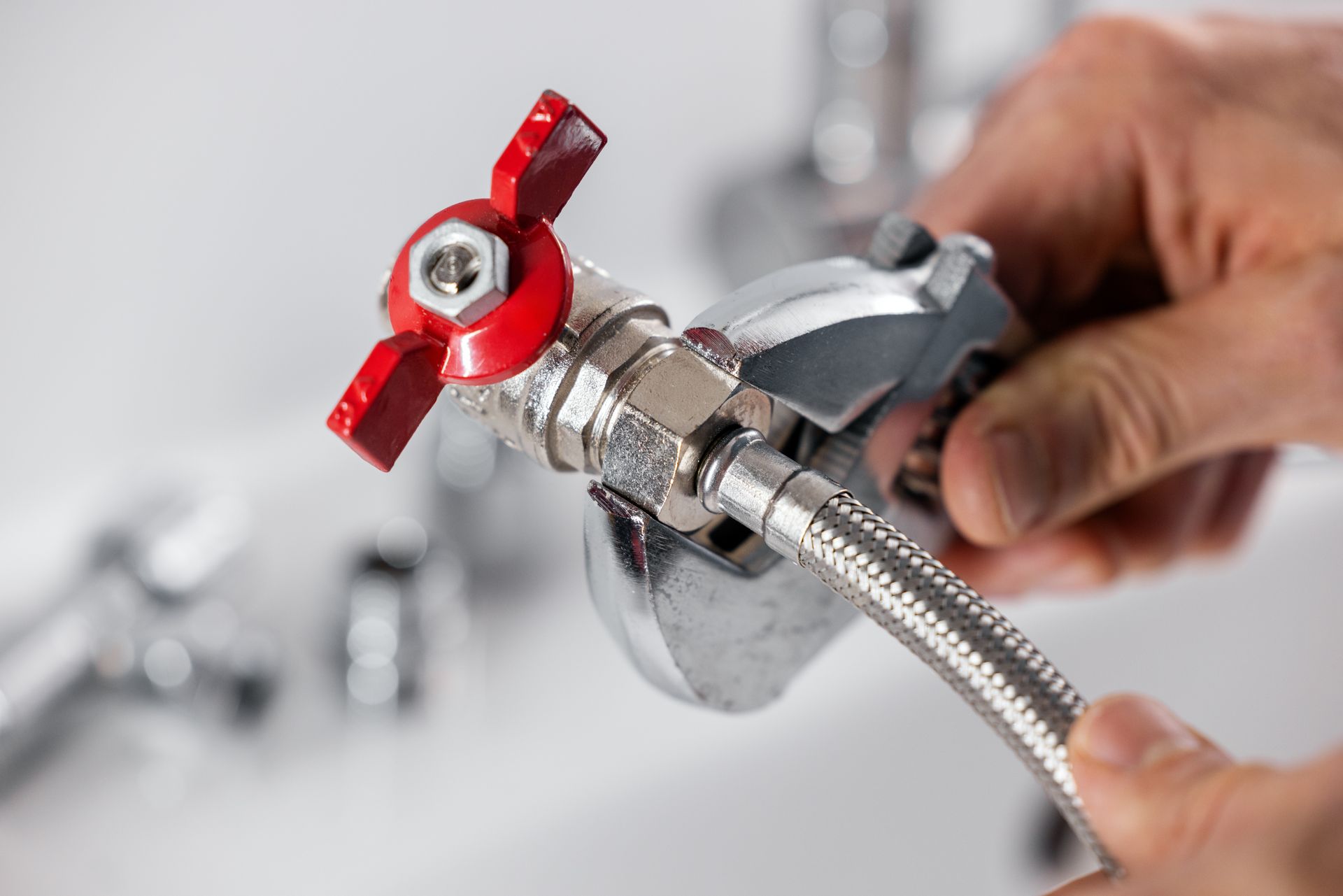
RO system installation in Anton typically raises questions about what the process involves, how local water conditions affect system performance, and what maintenance the equipment requires over time..
What does the water quality assessment test for before installation?
The assessment measures hardness, total dissolved solids, mineral content, chlorine levels, and pH from your current supply. These results determine the correct membrane pore size, the number of filtration stages needed, and whether a water softener should be installed upstream to extend membrane lifespan in areas with severe hardness like much of West Texas.
How does an under-sink RO system differ from a whole-home unit?
An under-sink system filters water at one tap, typically the kitchen faucet, and handles drinking and cooking water only. A whole-home unit installs at the main water line entry point and treats all water entering the property, which protects every appliance and fixture but requires a larger system with higher capacity and more frequent filter changes due to the increased volume.
Why does the drain line matter during installation?
The RO process separates clean water from concentrated mineral water, which must drain away continuously while the system operates. Without proper drain line routing to a sink drain or sewer line, the rejected water backs up and the system shuts down, stopping all filtration until the blockage clears.
What causes RO membranes to fail prematurely in Anton?
High sediment levels or incorrect system sizing for the local mineral load overwhelms the membrane and clogs the microscopic pores that perform filtration. When the system processes more contaminants than its rated capacity, the membrane deteriorates within months instead of lasting two to three years, and you notice declining water pressure and taste quality before complete failure.
How often do filters require replacement after installation?
Sediment pre-filters typically need replacement every six to twelve months depending on your water quality, carbon filters last twelve months, and the RO membrane lasts two to three years when properly sized for your supply. The replacement schedule provided at installation accounts for your household usage and the specific contaminant levels measured during the initial water test.
Questions Property Owners Ask Before Installation
Doerfler Plumbing Inc provides system specifications and filter replacement schedules based on the water quality testing completed before installation. Contact us to arrange water testing and discuss the correct RO system configuration for your property's supply conditions.