Camera Inspection Eliminates Guesswork
Leak Repair in Anton for properties experiencing unexplained water bills, foundation moisture, or visible fixture leaks
Leaks show up as ceiling stains, spiking water bills, foundation moisture, or visible dripping at fixtures, but the actual failure point often hides behind walls, under slabs, or along buried supply lines. Doerfler Plumbing Inc diagnoses leaks using camera inspection to identify the source—pinhole corrosion, joint failure, or material breakdown—before selecting repair methods matched to pipe material, age, and failure pattern. West Texas housing stock in Anton frequently features galvanized or cast iron pipe that deteriorates from interior corrosion and exterior soil contact, with freeze-thaw cycles accelerating crack formation at weakened sections during winter temperature swings.
The diagnostic process uses camera equipment to locate leak sources without demolition guesswork, then assesses whether the surrounding pipe material justifies patching the isolated failure or whether age and condition indicate section replacement prevents sequential leaks as adjacent pipe reaches similar wear levels. Same-visit parts inventory allows immediate repair when material and fittings match common residential configurations, eliminating wait time for special-order components when standard sizes apply.
Schedule a camera-assisted leak inspection to identify failure locations and receive repair recommendations based on pipe condition documentation..
What Changes After Leak Sources Are Addressed
Camera inspection documents the leak location with footage markers and visual evidence of pipe condition, distinguishing pinhole corrosion from joint separation or freeze cracks that require different repair approaches. Pipe material assessment determines whether galvanized steel, copper, or PEX replacement makes sense for the damaged section, with age and surrounding pipe condition guiding whether spot repair or section replacement prevents near-term repeat failures as adjacent areas corrode.
After repair, water bills return to baseline usage levels once the constant flow from hidden leaks stops, foundation moisture dries as supply line leakage no longer saturates soil beneath slabs, and visible fixture drips cease when joint or valve failures get corrected. Camera inspection footage provides documentation for insurance claims when leak damage requires coverage evaluation, and the footage clarifies warranty scope by showing exactly what condition existed before repair.
Section replacement becomes appropriate when camera inspection reveals multiple thin spots, widespread corrosion patterns, or material age that makes isolated patching a temporary fix before adjacent pipe fails within months, creating a cycle of emergency calls that costs more cumulatively than replacing the compromised section in one visit..
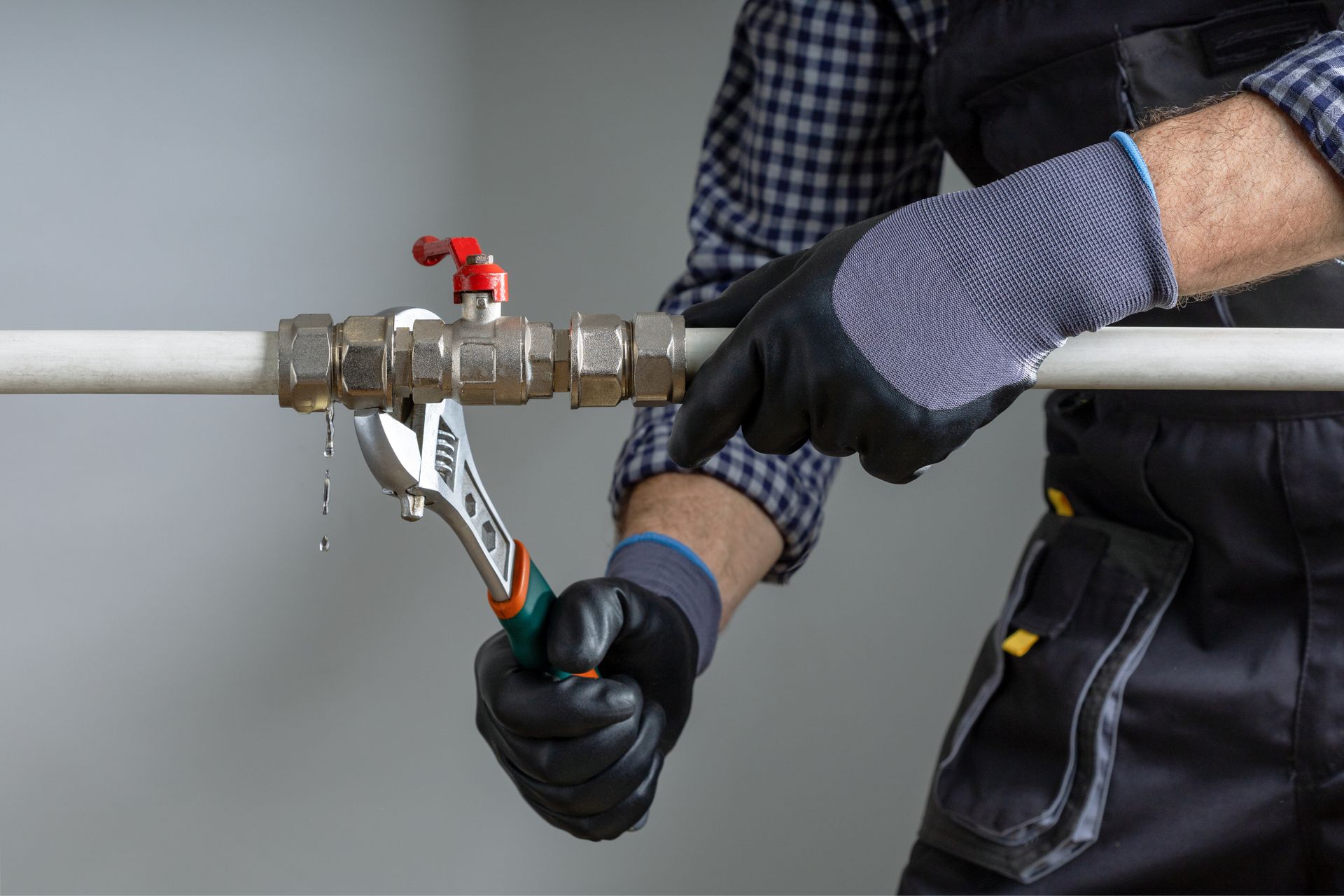
Leak repair questions typically focus on detection methods, material decisions, and how freeze-thaw cycles in Anton affect pipe longevity and failure patterns.
How does camera inspection locate leaks without tearing into walls or floors?
Camera equipment travels through supply lines and drain pipes to visually identify moisture entry points, corrosion spots, and joint failures with exact footage measurements, eliminating the demolition guesswork that increases repair cost and property damage when technicians search blindly for hidden leaks.
What causes pinhole leaks in galvanized and cast iron pipe common to Anton homes?
Interior corrosion from mineral content and acidity gradually thins pipe walls until pressure forces water through weakened spots, with galvanized pipe corroding faster in hard water and cast iron deteriorating from sewage acidity and exterior soil moisture over decades of service.
How do freeze-thaw cycles accelerate leak formation in West Texas?
Water expansion during freezing stresses pipe at weak points already thinned by corrosion, creating hairline cracks that widen under pressure once temperatures rise and flow resumes, with uninsulated exterior walls and slab edges most vulnerable during overnight temperature drops.
What determines whether to patch a leak or replace the pipe section?
Camera inspection showing isolated damage in otherwise sound pipe justifies patching, while footage revealing multiple thin areas, widespread corrosion, or material age beyond typical service life indicates section replacement prevents repeat failures as adjacent pipe reaches the same wear stage within months.
How does leak documentation help with insurance claims?
Camera footage provides visual evidence of leak location, cause, and pipe condition before repair, clarifying whether damage resulted from gradual wear or sudden failure, which affects coverage eligibility and helps adjusters evaluate claims without requiring invasive inspection after repairs complete.
Questions Before Starting Your Project
Doerfler Plumbing Inc uses camera-first diagnostics to prevent unnecessary demolition and repair expense, with same-visit parts availability reducing downtime when standard materials apply. Arrange an inspection by calling (806) 738-2201 to receive documented evidence of leak sources and repair options matched to your property's pipe condition.